PERSONAL ESSAY · HOSPITALITY · BILINGUAL
The Cars That Live in Us… Not Just the Ones We Drive
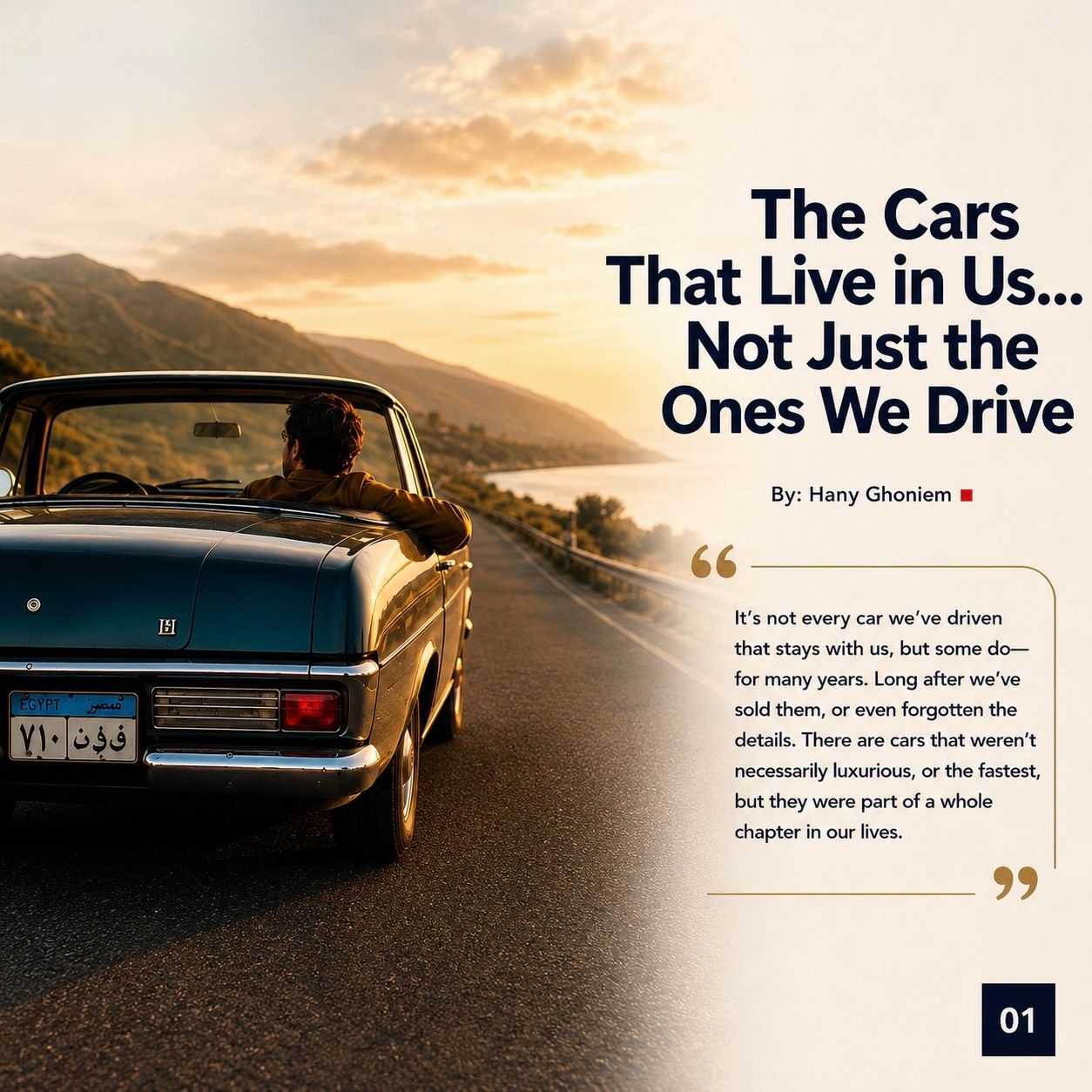
We do not always remember cars for their engines or specifications, but for the people we were when we sat behind the wheel.
Not every car we have driven has stayed with us, but some continue to live within us for years—even after we have sold them or forgotten their details. Some were neither luxurious nor fast, yet they became tied to an entire chapter of our lives: a first salary, a first long journey, or the first real feeling of freedom.
We do not always remember cars because of their engines or specifications. We remember them because of the people we were when we sat behind the wheel.
Loyalty Goes Beyond Logic
Throughout my years in hospitality and travel, I discovered that loyalty is not always a rational decision. Human beings naturally become attached to whatever gives them a particular feeling, even when it is not the most expensive, newest, or efficient option.
In hotels, for example, many guests return to the same property for years despite newer and more luxurious alternatives. It is not necessarily because the room is larger or the breakfast is better, but because the place has become part of their memory. They know the scent of its corridors, the style of its welcome, the faces of its employees, and that quiet sense of familiarity no advertisement can promise.
The same applies to brands. Someone may remain loyal to a particular perfume, watch, or even a small café where they have always sat—not because alternatives do not exist, but because once a person feels a sense of belonging, a choice becomes a relationship.
The Cars in Our Hearts Were Not Always the Most Luxurious
Our loyalty to cars is not always built on specification sheets, horsepower, or advanced technology. It is built on feeling. Surprisingly, the cars that lived most deeply in our hearts were not always the most expensive or luxurious.
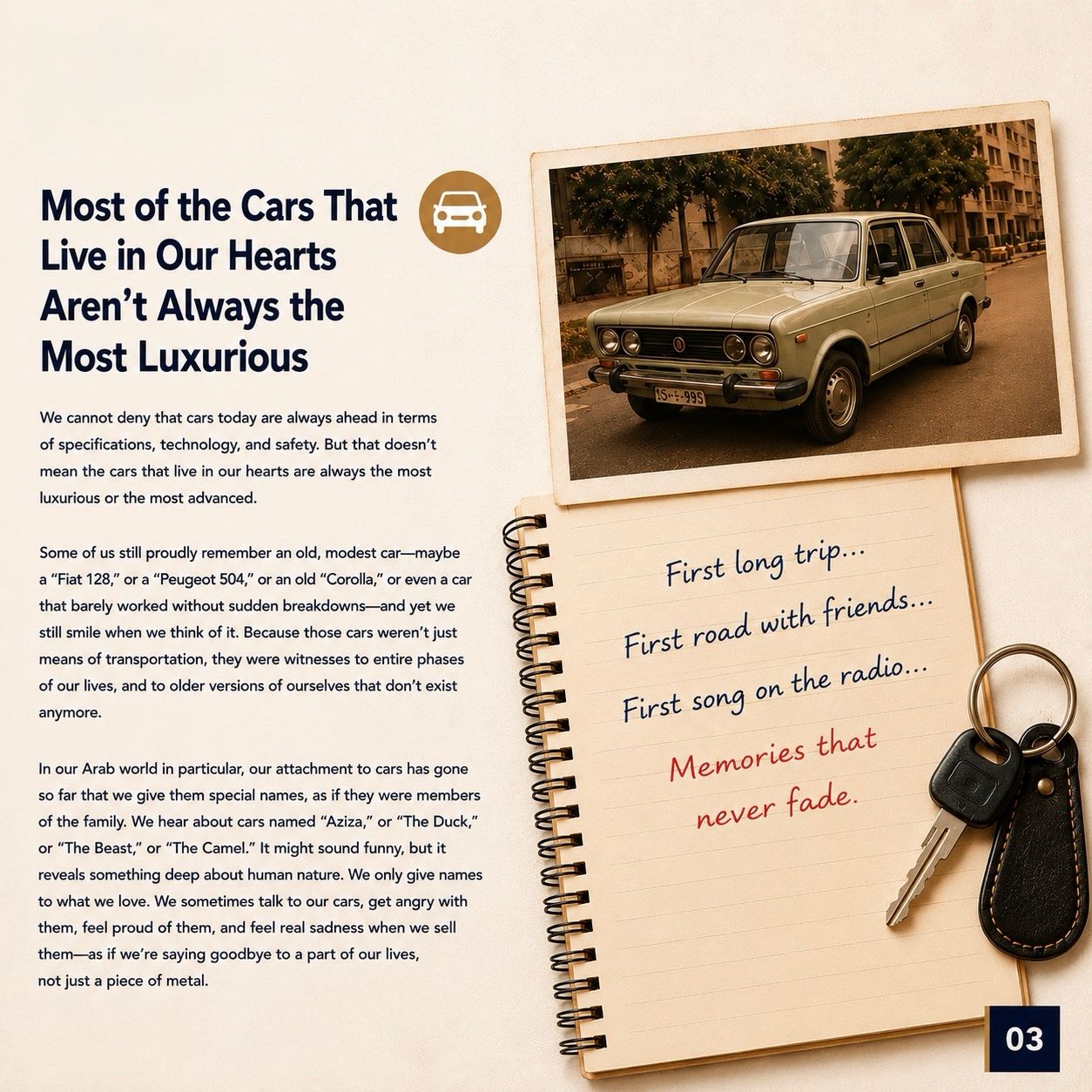
Some of us still remember an old, modest car with pride—perhaps a Fiat 128, a Peugeot 504, an old Corolla, or even a car that barely worked without a sudden breakdown. We still smile when we remember it because those cars were not merely transportation; they witnessed entire chapters of our lives and older versions of ourselves that no longer exist.
In the Arab world, our attachment sometimes goes so far that we give cars personal names, as if they were members of the family: Aziza, The Duck, The Beast, or The Camel. It may sound amusing, but it reveals something profound about human nature—we name what we love. We talk to our cars, become angry with them, take pride in them, and feel genuine sadness when we sell them, as though saying goodbye to part of our lives rather than a piece of metal.
Something Has Changed
Modern cars are undoubtedly smarter, safer, more comfortable, and better able to understand their drivers. Yet they sometimes feel less soulful. Screens have replaced sensation, complete insulation has silenced the road, and intelligent driving systems have begun taking away part of the human relationship with the steering wheel.
Some cars have become like ultra-modern hotels: perfect, quiet, and impressive—yet sometimes without memory.
Perhaps that is why so many people miss older cars that were less comfortable but more honest. We felt the road, the engine, the vibration, and even the small faults that have now become part of our nostalgia. As cars become more intelligent, our emotional attachment to them can become weaker.
The Memory Remains
In the end, we do not remember every road we travelled or every car we owned. But we clearly remember the car that carried an earlier version of us, then departed—while the memory stayed.
مقال شخصي · الضيافة · النسخة العربية
السيارات التي تسكننا… لا التي نقودها
نحن لا نتذكر السيارات دائمًا بسبب المحرك أو المواصفات، بل بسبب الإنسان الذي كنّاه ونحن خلف عجلة القيادة.
ليست كل السيارات التي قدناها بقيت معنا، لكن بعضها ظل يسكننا لسنوات طويلة، رغم أننا بعناها، أو حتى نسينا تفاصيلها. هناك سيارات لم تكن فاخرة، ولم تكن الأسرع، لكنها ارتبطت بمرحلة كاملة من حياتنا؛ أول راتب، أول طريق طويل، أو حتى أول شعور حقيقي بالحرية.
فنحن لا نتذكر السيارات دائمًا بسبب المحرك أو المواصفات، بل بسبب الإنسان الذي كنّاه ونحن خلف عجلة القيادة.
الولاء يتجاوز المنطق
خلال سنوات عملي في عالم الضيافة والسفر، اكتشفت أن الولاء ليس دائمًا قرارًا منطقيًا. فالإنسان بطبيعته يتعلق بما يمنحه شعورًا معينًا، حتى لو لم يكن الأغلى أو الأحدث أو الأكثر كفاءة.
في الفنادق مثلًا، كثير من الضيوف يعودون إلى الفندق نفسه لسنوات طويلة، رغم ظهور خيارات أحدث وأكثر فخامة. ليس لأن الغرفة أكبر، أو لأن الإفطار أفضل بالضرورة، بل لأن المكان أصبح جزءًا من ذاكرتهم. يعرفون رائحة الممرات، وطريقة الترحيب، وملامح الموظفين، وحتى ذلك الشعور الصامت بالألفة الذي لا يُكتب في أي إعلان.
والأمر ذاته يحدث مع العلامات التجارية. هناك من يظل وفيًا لعطر معين، أو ساعة محددة، أو حتى لمقهى صغير اعتاد الجلوس فيه. ليس لأن البدائل غير موجودة، بل لأن الإنسان حين يشعر بالانتماء لشيء ما، يتحول الاختيار إلى علاقة.
أكثر السيارات التي سكنت قلوبنا لم تكن دائمًا الأفخم
فولاؤنا للسيارات لا يُبنى دائمًا على جداول المواصفات، ولا عدد الأحصنة، أو التكنولوجيا المتناهية، بل يُبنى على الإحساس. لكن المدهش حقًا أن أكثر السيارات التي سكنت قلوبنا لم تكن دائمًا الأغلى أو الأكثر رفاهية.
بعضنا ما زال يتذكر بفخر سيارة قديمة متواضعة، ربما كانت «فيات 128»، أو «بيجو 504»، أو «كورولا» قديمة، أو حتى سيارة بالكاد كانت تعمل دون أعطال مفاجئة، ومع ذلك ما زلنا نبتسم عندما نتذكرها. لأن تلك السيارات لم تكن مجرد وسائل نقل، بل كانت شاهدة على أعمار كاملة، وعلى نسخ قديمة من أنفسنا لم تعد موجودة اليوم.
وفي عالمنا العربي تحديدًا، وصل تعلقنا بالسيارات إلى مرحلة منحها أسماء خاصة، وكأنها فرد من العائلة. فنسمع عن سيارات اسمها «عزيزة»، أو «البطة»، أو «الوحش»، أو «الجمل». وربما يبدو الأمر طريفًا، لكنه يكشف شيئًا عميقًا عن طبيعة الإنسان، فنحن لا نمنح الأسماء إلا لما نحب. نتحدث مع السيارة أحيانًا، نغضب منها، نفتخر بها، ونشعر بالحزن الحقيقي عندما نبيعها، وكأننا نودع جزءًا من حياتنا، لا مجرد قطعة معدنية.
لكن شيئًا ما تغيّر
فالسيارات الحديثة أصبحت أذكى بلا شك، وأكثر أمانًا وراحة وقدرة على فهم السائق، لكنها أحيانًا أصبحت أقل روحًا. الشاشات حلّت محل الإحساس، والعزل الكامل ألغى صوت الطريق، وأنظمة القيادة الذكية بدأت تسحب من الإنسان جزءًا من علاقته الحقيقية بعجلة القيادة. أصبحت بعض السيارات تشبه الفنادق فائقة الحداثة؛ مثالية، صامتة، مذهلة… لكنها أحيانًا بلا ذاكرة.
وربما لهذا السبب، ما زال كثيرون يشتاقون إلى سيارات قديمة كانت أقل راحة، لكنها أكثر صدقًا. سيارات كنا نشعر فيها بالطريق، بالمحرك، بالاهتزاز، وحتى بالأعطال الصغيرة التي أصبحت اليوم جزءًا من الحنين. فكلما أصبحت السيارات أكثر ذكاءً، أصبح تعلقنا العاطفي بها أقل.
وتبقى الذكرى
وفي النهاية، نحن لا نتذكر كل الطرق التي سلكناها، ولا كل السيارات التي امتلكناها. لكننا نتذكر جيدًا تلك السيارة التي حملت نسخة قديمة منا، ثم رحلت… بينما بقيت الذكرى.