DESTINATION STRATEGY · BILINGUAL
The “Saudization” of the Red Sea: Shaping Destination Identity to Capture the Market
The Red Sea is no longer merely a geographical area. It is becoming a destination brand — and the competition is for ownership of its name in the traveller’s mind.
What comes to a traveller’s mind first when they search Google for the Red Sea? Saudi Arabia… or Egypt?
It may sound like a simple question, but it reflects an important strategic shift in destination marketing and the global competition for travellers’ attention.
Within just a few years, Saudi Arabia has made an exceptionally smart marketing move. Instead of promoting only a particular city or resort, it has connected an entire portfolio of tourism developments to the Red Sea name itself.
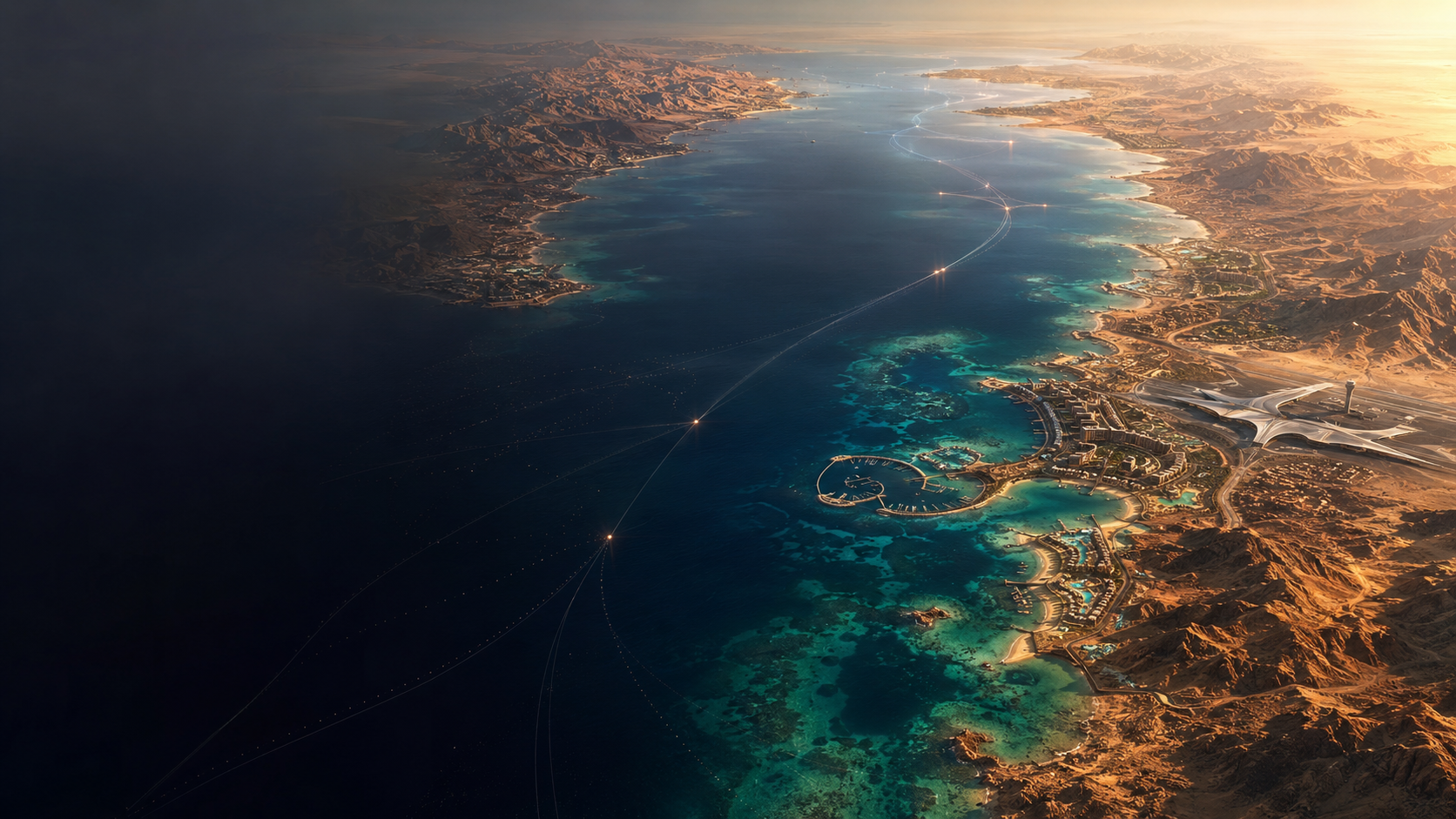
An airport carrying the Red Sea name. Resorts, developments, events and festivals consistently using the same identity. A growing digital and media presence linking the destination with Saudi Arabia’s luxury tourism offering.
This is not a coincidence. It is a deliberate strategy to build mental ownership of the destination’s name.
The Market Does Not Belong to Anyone by Historical Precedence
Every country has the right to develop its coastline and natural resources. Saudi Arabia is doing so with remarkable efficiency, supported by a clear vision, significant investment and long-term planning.
However, the most important message for those of us working in tourism and hospitality is that no destination is guaranteed market leadership simply because of its history or geographical advantage.
The market belongs to those who know how to present themselves first — and present themselves better.
A destination may have more beautiful beaches, a longer tourism history and a larger hotel inventory, but these advantages alone do not guarantee a strong position in the traveller’s mind.
In tourism, perception can be more powerful than room count.
The Competition Is No Longer About Hotels and Prices
As a hospitality professional, I believe tourism competition is no longer limited to one hotel competing against another or one destination offering a lower price than its rivals.
The real competition is now between:
- Those who own the strongest story.
- Those who command the greatest digital visibility.
- Those who deliver the clearest and most integrated experience.
- Those who own the destination’s name in the traveller’s mind.
Guests are not simply buying a hotel room. They are buying a perception, an expectation and a story they want to experience and share.
What Happens When the Market Expands?
We may not yet feel the full impact because Saudi Arabia’s current focus is largely on luxury tourism and high-value developments.
But what happens tomorrow when it expands further into the mid-market and economy segments?
Competition will then become much more direct — not only for international travellers, but also for tour operators, airlines, hotel investment, major events and visibility across search engines and digital platforms.
At that point, the competition will no longer be about who has the longest coastline. It will be about who has built the clearest, strongest and most influential destination brand.
The Red Sea Is Now a Brand
The Red Sea is no longer merely a geographical area. It is becoming a destination brand, with countries and tourism developments competing to secure their position within it.
Those who do not build and communicate their own brand will eventually find someone else doing it for them — and perhaps presenting it to the world from an entirely different perspective.
It is time to move from managing hotels to managing perceptions, and from daily operations to long-term strategic thinking.
The future of tourism will not wait for those who hesitate.
Destinations that fail to tell their own story today may find themselves playing a secondary role tomorrow — in a story written and told by others.
سعودة البحر الأحمر: كيف تُصاغ هوية الوجهة للاستحواذ على السوق؟
لم يعد البحر الأحمر مجرد نطاق جغرافي، بل أصبح علامة لوجهة سياحية تتنافس الدول والمشروعات على امتلاك موقع داخلها.
ماذا سيظهر أولًا في ذهن السائح الدولي عندما يبحث على جوجل عن البحر الأحمر – Red Sea؟ هل سيفكر في المملكة العربية السعودية… أم في مصر؟
قد يبدو السؤال بسيطًا، لكنه في الحقيقة يكشف عن تحوّل استراتيجي مهم في تسويق الوجهات السياحية وصناعة الصورة الذهنية عالميًا.
خلال سنوات قليلة، نجحت المملكة العربية السعودية في تنفيذ خطوة شديدة الذكاء من الناحية التسويقية؛ فلم تكتفِ بالترويج لمدينة أو منتجع بعينه، بل ربطت مجموعة من مشروعاتها السياحية باسم البحر الأحمر نفسه.
مطار يحمل اسم البحر الأحمر، ومنتجعات ومشروعات وفعاليات تستخدم الاسم ذاته، وحضور إعلامي ورقمي متزايد يربط المنطقة بالسياحة السعودية الفاخرة.
هذا ليس مجرد اختيار تسويقي عابر، بل هو ما يمكن وصفه بأنه استراتيجية للاستحواذ الذهني على اسم الوجهة.
السوق لا يُمنح بحكم الأسبقية
استثمار أي دولة لسواحلها ومواردها الطبيعية حق مشروع، والمملكة العربية السعودية تقوم بذلك بكفاءة لافتة، ضمن رؤية واضحة واستثمارات ضخمة وخطط طويلة المدى.
لكن الرسالة الأهم لنا، نحن العاملين في قطاع السياحة والضيافة، هي أن السوق لا يُمنح لأحد بحكم الأسبقية التاريخية أو الموقع الجغرافي.
السوق يذهب إلى من يعرف كيف يقدّم نفسه أولًا… وبصورة أفضل.
قد تمتلك الوجهة شواطئ أجمل، وتاريخًا أطول، وعددًا أكبر من الفنادق، لكن ذلك وحده لا يضمن لها الاحتفاظ بمكانتها في ذهن السائح.
ففي صناعة السياحة، أحيانًا يكون الإدراك الذهني أهم من عدد الغرف.
المنافسة لم تعد بين الفنادق والأسعار
كمحترف في قطاع الضيافة، أرى أن المنافسة السياحية لم تعد محصورة بين فندق وآخر، أو بين سعر غرفة وعرض موسمي.
المنافسة الحقيقية أصبحت بين:
- من يملك القصة الأقوى.
- من يملك الحضور الرقمي الأكبر.
- من يقدّم تجربة متكاملة وواضحة.
- من ينجح في امتلاك اسم الوجهة داخل عقل السائح.
فالضيف لا يشتري غرفة فقط، بل يشتري صورة ذهنية، وتوقعًا، وقصة يريد أن يعيشها ويشاركها مع الآخرين.
ماذا سيحدث عندما تتوسع المنافسة؟
قد لا نشعر اليوم بالتأثير الكامل؛ لأن التركيز السعودي الحالي يتجه بصورة كبيرة نحو السياحة الفاخرة والمشروعات عالية القيمة.
لكن ماذا سيحدث غدًا عندما تتوسع هذه المشروعات لتشمل شرائح السوق المتوسطة والاقتصادية؟
عندها ستصبح المنافسة أكثر مباشرة، ليس فقط على السائح الدولي، بل أيضًا على شركات السياحة، وشركات الطيران، والاستثمارات الفندقية، والفعاليات الكبرى، وحصة الظهور في نتائج البحث والمنصات الرقمية.
وهنا لن تكون المنافسة حول من يمتلك الساحل الأطول، بل حول من استطاع بناء العلامة الأكثر وضوحًا وتأثيرًا.
البحر الأحمر علامة تجارية
الخلاصة أن البحر الأحمر لم يعد مجرد نطاق جغرافي، بل أصبح علامة تجارية لوجهة سياحية – Destination Brand تتنافس الدول والمشروعات على امتلاك موقع داخلها.
ومن لا يبني علامته بنفسه، سيجد غيره يبنيها مكانه… وربما يعيد تقديمها للعالم من زاويته الخاصة.
لقد حان الوقت للانتقال من إدارة الفنادق إلى إدارة الصورة الذهنية، ومن التشغيل اليومي إلى التفكير الاستراتيجي طويل المدى.
فالمستقبل السياحي لن ينتظر المترددين، والوجهات التي لا تروي قصتها اليوم… قد تجد نفسها غدًا جزءًا ثانويًا في قصة يرويها الآخرون.